


About
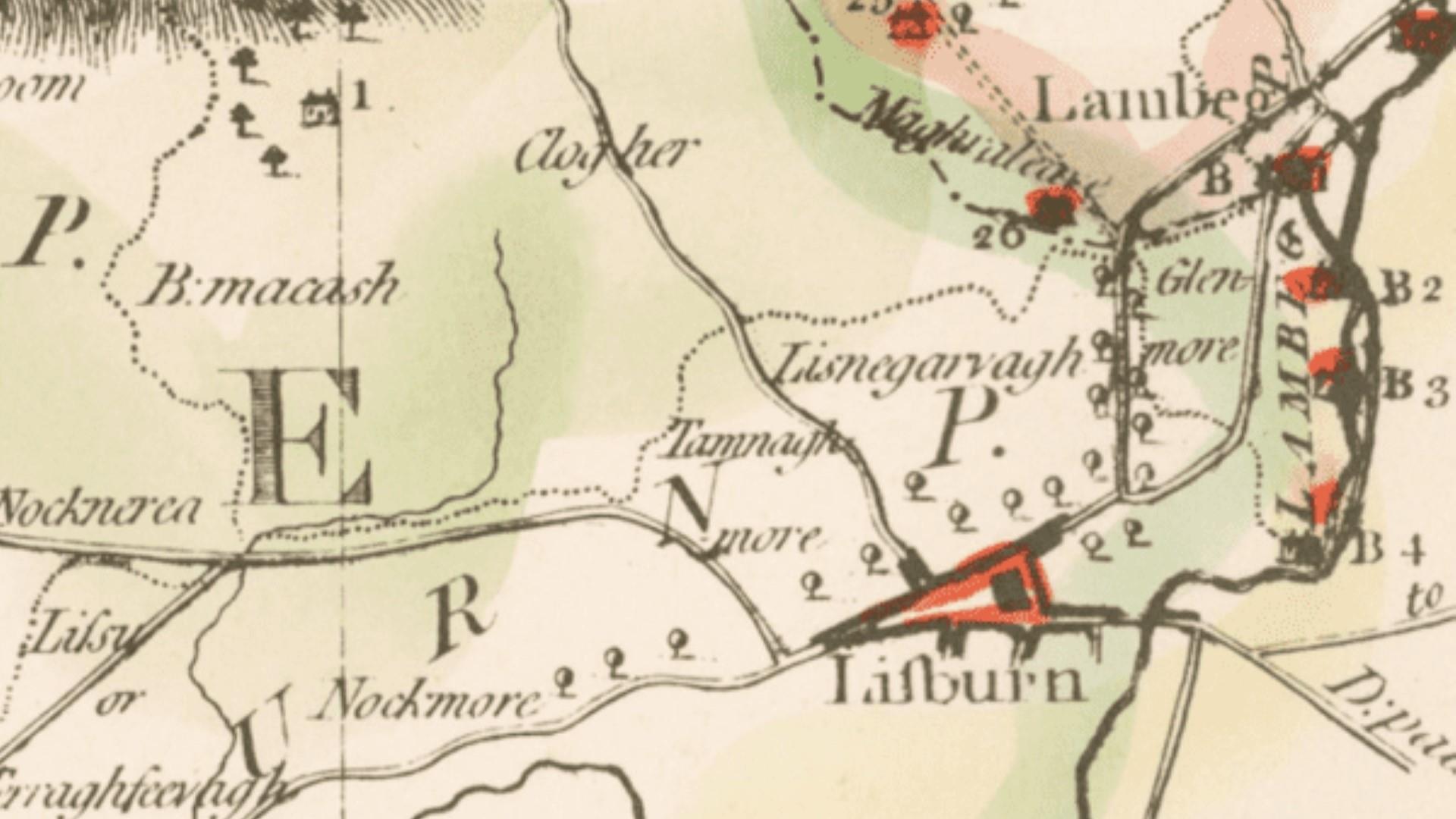
This talk will cover a wide variety of place-names, ancient and modern, and discuss how place-names are not only of interest in their own right, but can also provide valuable evidence to support other disciplines such as history, archaeology and linguistics. Names on Ptolemy's map of Ireland, made in the 2nd century AD, give important clues to early population movements, such as the Manapii who may have originated in Belgium and eventually settled in Fermanagh. The Irish name Béal Feirste, which became Belfast in the mouths of English-speakers, reveals a great deal about how travellers crossed the River Lagan in the Middle Ages. Late medieval names from the Ards Peninsula, such as Ballyphilip and Ballyhalbert, show us how the Irish language regained ground a couple of centuries after the Anglo-Normans had settled. Place-names also shed light on our ancestors' perception of the landscape, their farming practices, buildings and their religion. Mention will also be made of different name categories, such as townlands, mountains and streets, all of which give clues to understanding the world around us.
Dr Paul Tempan undertook doctoral research on Irish place-names at Queen's University Belfast (2007-11) and worked as a research assistant, later a research fellow, at the Northern Ireland Place-Name Project (2006-13). He now works with Libraries NI and is an independent researcher.
Note that the venue for this event is the Ivanhoe Hotel, Carryduff.